

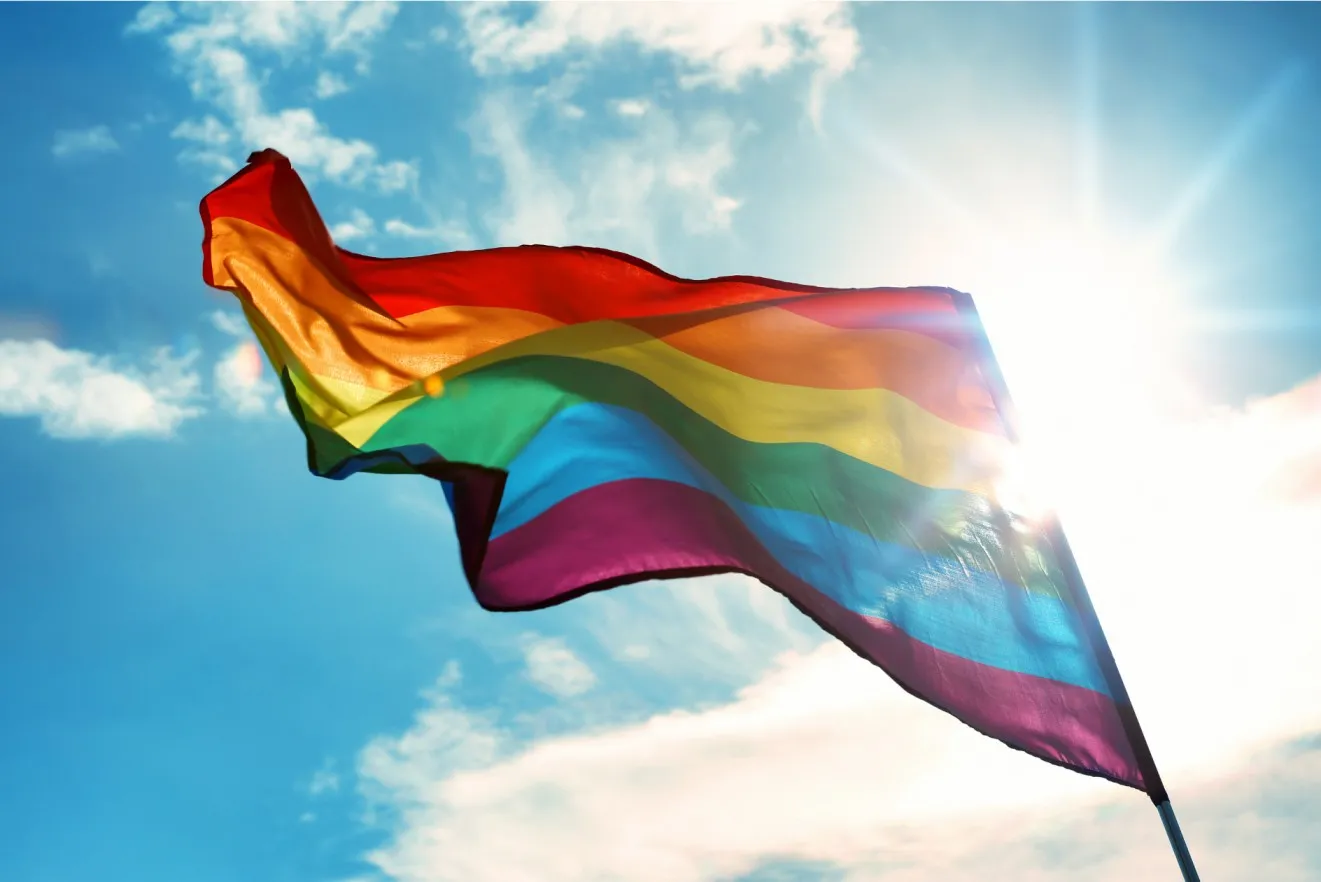
June is a time of vibrant celebration, deep reflection, and unwavering visibility. As we honor Pride Month, I find myself reflecting not just on what it means to live authentically as a gay man, but what it means to do so in recovery. My husband, Sean, and I see the immense beauty and resilience of this community every single day. For those of us navigating both the LGBTQ+ and recovery spaces, Pride takes on a profound, dual significance. It is a powerful testament to surviving, healing, and thriving in a world that hasn’t always made it easy to do either.
To truly understand the intersection of Pride and recovery, we have to look back at our shared history. Pride wasn’t born from a parade; it was born from a riot. The 1969 Stonewall Uprising in New York City was led by marginalized people—including trans women of color, drag queens, and LGBTQ+ youth—who simply refused to be erased or criminalized for their existence.
That same spirit of fierce self-preservation echoes deeply within the history of the recovery movement. In the early days, mainstream recovery and healthcare spaces weren’t always safe or welcoming for LGBTQ+ individuals. In the 1970s and 80s, facing the dual stigmas of addiction and homophobia—which was soon compounded by the devastating, traumatic losses of the HIV/AIDS epidemic—our community began carving out our own lifelines. Pioneering LGBTQ+ individuals established their own special interest 12-step meetings and support groups. They created sanctuaries where people didn’t have to hide who they loved to get help for how they lived. They understood early on what the broader clinical world is fully recognizing now: you cannot treat addiction without embracing the whole person.
Today, the need for these affirming, culturally competent spaces remains just as critical. The data is clear and sobering: LGBTQ+ individuals face significantly higher rates of substance use disorders compared to the general population. This disparity isn’t an inherent flaw; it is the direct result of “minority stress”—the chronic psychological toll of navigating discrimination, familial rejection, and systemic barriers. When society tells you that your authentic self is unacceptable, substance use often begins as a misguided means of coping, numbing, or finding temporary refuge.
Therefore, advocating for LGBTQ+ recovery is not just a niche topic; it is an urgent public health priority. A genuinely person-centered approach means recognizing that healing is impossible if an individual is forced to leave a piece of their identity at the door. Treatment centers, peer support programs, and global networks like the Global Exchange Conference must foster environments that actively acknowledge the specific traumas our community faces while simultaneously celebrating the unique resilience we possess.
Through my own personal journey and my daily work with Mobilize Recovery, I’ve seen firsthand that authentic connection is the ultimate antidote to both addiction and isolation. When we walk into a room and see others who look, love, and live like us, the heavy burden of shame begins to dissolve. We learn that we don’t have to choose between our truth and our recovery. Every time an LGBTQ+ person stands up and shares their recovery story, they are dismantling decades of stigma.
This Pride Month, let’s honor the trailblazers who fought for our right to exist openly, and the recovery pioneers who ensured we could live long enough to enjoy that freedom. If you are struggling today, please know there is a vibrant, deeply loving community waiting for you. You deserve to live a life that is both fully authentic and fiercely bold. Happy Pride.
By Ryan Hampton